
Why NNN Investors Prefer New York State: Higher Growth & Competitive Cap Rates Explained
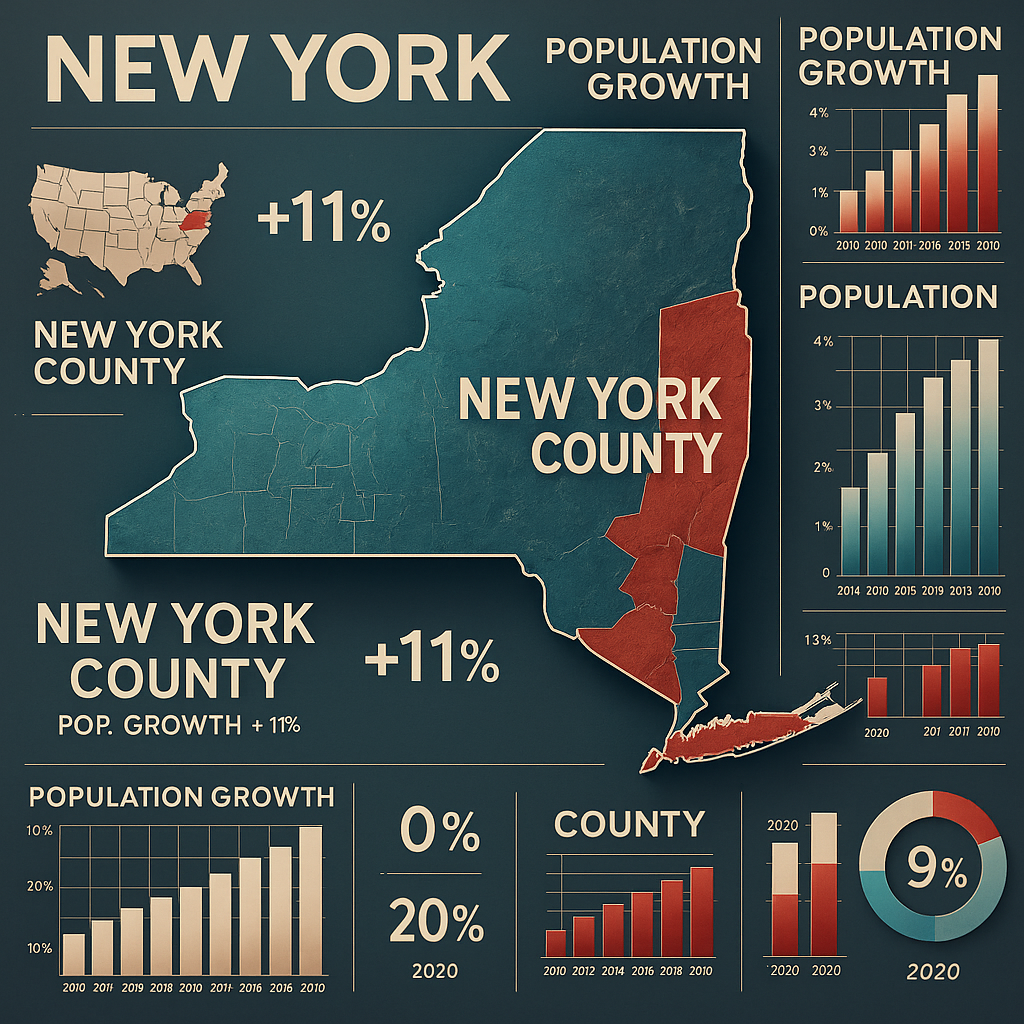
Future Holding for NNN Property Investments in New York
Triple Net Lease (NNN) properties, where tenants are responsible for taxes, insurance, and maintenance, are a preferred asset class for investors seeking passive income and long-term stability. In New York, NNN property investments remain a solid choice due to the state’s strong economic foundation, diverse market, and strategic location advantages.
1. Economic Strength and Urban Demand
New York boasts one of the largest and most resilient economies in the U.S., anchored by finance, healthcare, tech, and education. Major metro areas like New York City, Buffalo, Rochester, and Albany continue to attract business activity, fueling demand for commercial real estate. This economic diversity makes NNN properties in New York appealing for investors seeking secure, long-term tenants across various sectors.
2. Consistent Demand for NNN Leases
NNN properties offer landlords predictable, low-maintenance income, even in high-cost markets. In New York, long-term leases with national or regional tenants remain highly desirable. Essential service businesses such as pharmacies, grocery stores, and medical offices often operate under NNN agreements, providing income stability regardless of broader market fluctuations.
3. Cap Rate Dynamics and Yield Trends
While cap rates in New York tend to be lower than in the Midwest or South due to higher property values, they reflect strong asset stability and tenant creditworthiness. However, recent market shifts have led to modest cap rate increases, creating a window of opportunity for NNN investors to secure improved yields without compromising on asset quality.
4. Financial Requirements for NNN Investors
Investing in NNN properties in New York typically requires a substantial capital commitment. Investors are often expected to have a net worth exceeding $1 million or a minimum annual income of $200,000. Down payments usually fall between 30% and 40%, depending on the asset class and location. Sophisticated investors should factor in property taxes, insurance nuances, and state-specific regulations when evaluating deals.
5. Diverse Investment Opportunities Across the State
New York offers a broad range of NNN investment options, from single-tenant urban retail in Manhattan and Brooklyn to industrial distribution centers in upstate regions like Syracuse and the Hudson Valley. Investors can find listings with national credit tenants and long-term leases, making New York an attractive destination for 1031 exchange buyers seeking both stability and potential appreciation.
Triple-net (NNN) investors are increasingly turning to New York as a strategic market for net lease properties, driven by its economic resilience, tenant diversity, and strong long-term fundamentals. Here’s why NNN brokers and investors view New York as a valuable addition to their portfolios:
1. Stable Cap Rates in Prime and Secondary Markets
While New York’s cap rates tend to be lower in core areas like Manhattan and Brooklyn due to high asset values, many suburban and upstate markets offer more attractive yields. Cities such as Buffalo, Rochester, and Albany provide cap rates in the 5.5%–6.5% range, offering a healthy balance between return and risk for NNN investors seeking dependable cash flow.
2. High-Quality Tenants & Institutional Stability
New York is home to a diverse mix of national retailers, healthcare providers, financial institutions, and quick-service restaurants (QSRs). Properties leased to tenants such as CVS, Chase Bank, Starbucks, and urgent care clinics are in strong demand, giving investors access to creditworthy lessees with long-term NNN leases.
3. Dense Population & High Consumer Spending
New York’s dense urban centers and thriving suburban communities support consistent demand for essential retail and service businesses. High foot traffic, strong per capita income, and diverse demographics make net lease properties highly resilient, especially in high-visibility locations.
4. Supply Constraints & Property Appreciation
Zoning restrictions, limited land availability, and tight construction regulations create a natural supply constraint in many parts of New York. This dynamic contributes to long-term property appreciation and protects existing NNN assets from overdevelopment, particularly in New York City and Long Island.
5. Strategic 1031 Exchange Opportunities
New York offers numerous opportunities for 1031 exchange investors seeking to defer capital gains taxes by reinvesting into income-generating NNN properties. Whether targeting a QSR in Queens, a pharmacy in Buffalo, or a medical facility in Westchester County, investors can find strong replacement properties backed by long-term leases and national tenants.
6. Resilient Economy & Sector Diversity
New York’s economy is one of the most diverse in the U.S., driven by finance, media, healthcare, education, and technology. This economic depth supports long-term real estate stability, ensuring that NNN lease assets remain in high demand even during periods of economic uncertainty.
Income Taxes
Understanding New York’s Tax Landscape for NNN Investors
New York offers a dynamic commercial real estate market, but it’s important for NNN investors to understand the state’s income tax structure before making investment decisions. While New York presents strong economic opportunities and tenant demand, its tax policies are relatively less favorable compared to tax-friendly states. Here’s what NNN investors and brokers should consider when investing in net lease properties in New York:
1. State Income Tax on LLC Rental Income
In New York, passive rental income generated through an LLC is subject to state income tax. Individual investors must report this income on their personal returns, and the tax rate can be significant, particularly for high-income earners. This impacts net returns and should be factored into investment planning, especially for long-term holds.
2. Corporate Income Tax Considerations
For NNN investors using corporate entities, New York levies a corporate franchise tax, which varies based on business type and income. The base corporate tax rate is 7.25% for most general business corporations, though reduced rates may apply to qualified small businesses or entities operating in certain sectors. Investors should consult a tax advisor to explore available deductions or credits that could reduce their tax exposure.
3. Progressive Personal Income Tax Rates
New York has a progressive state income tax, with rates ranging from 4% to 10.9% depending on income levels. High-net-worth investors earning substantial rental income may fall into the top brackets, particularly if they reside in New York City, which imposes additional city-level income tax ranging from 3.08% to 3.88%.
4. Estate and Inheritance Tax
New York imposes a state-level estate tax on estates exceeding a certain exemption threshold (approximately $6.94 million as of 2024). This can impact investors looking to pass down NNN properties to heirs. However, proper estate planning strategies — including trusts and gifting — can help mitigate the impact.
5. Property Tax Burden
New York’s property taxes are among the highest in the country, especially in suburban counties outside New York City. For example, Westchester, Nassau, and Rockland counties consistently rank near the top in property tax rates. This can increase the overall holding costs of NNN properties, so due diligence on local tax rates is essential when evaluating investment returns.
6. Capital Gains Tax
New York does not have a separate capital gains tax. Instead, capital gains are taxed as regular income at the applicable state income tax rate. For high-income investors, this could mean paying up to 10.9% on capital gains, in addition to federal taxes. Investors considering a 1031 exchange should work closely with tax professionals to ensure full compliance and tax deferral.
Investing in triple net lease (NNN) properties in New York can be a strategic move, particularly in regions experiencing steady population growth, economic revitalization, and increased demand for essential services. NNN properties, which shift responsibility for taxes, insurance, and maintenance to tenants, offer investors a passive income stream with long-term security. Based on recent trends, here are some of the most promising areas in New York for NNN property investments:
1. Kings County (Brooklyn):
Population Growth: As one of the most populous urban areas in the U.S., Brooklyn continues to attract residents due to its cultural vibrancy, housing development, and proximity to Manhattan.
Economic Development: Brooklyn’s economy is diverse, with growth in technology, healthcare, retail, and creative industries. Redevelopment zones and mixed-use projects are fueling commercial interest.
Investment Potential: High foot traffic and demand for essential services make Brooklyn an excellent market for NNN investments in QSRs, pharmacies, and medical offices.
2. Erie County (Buffalo):
Population Growth: Buffalo and surrounding areas have seen revitalization efforts drive modest population stabilization and increased urban activity, especially among younger professionals.
Economic Development: The Buffalo-Niagara region benefits from healthcare, education, and logistics, with the Buffalo Billion initiative spurring investment.
Investment Potential: Affordable entry points, combined with anchor tenants in healthcare and retail, make Erie County attractive for long-term NNN investors.
3. Westchester County (White Plains, Yonkers):
Population Growth: Westchester remains a top suburban destination for New York City commuters, with stable population levels and a high-income demographic.
Economic Development: The county is experiencing growth in healthcare, professional services, and retail, with continued investment in infrastructure and transit-oriented development.
Investment Potential: Dense suburban markets with strong demographics provide opportunities for NNN properties in retail strips, medical plazas, and essential services.
4. Monroe County (Rochester):
Population Growth: Rochester has stabilized in population with small pockets of growth in surrounding suburbs, driven by a mix of affordability and employment.
Economic Development: Anchored by the University of Rochester and major healthcare systems, the city supports a diverse and resilient economy.
Investment Potential: NNN investors can benefit from moderate property prices and consistent tenant demand, particularly in healthcare and service-oriented retail.
5. Suffolk County (Long Island – Huntington, Islip):
Population Growth: Suffolk County remains one of the most populous suburban regions in New York, with steady migration from New York City residents seeking more space.
Economic Development: The county thrives on healthcare, retail, and light manufacturing, with increased investment in suburban commercial real estate.
Investment Potential: NNN opportunities abound in well-trafficked suburban corridors, particularly for national brands and essential retailers.
6. Onondaga County (Syracuse):
Population Growth: Syracuse is experiencing modest population increases, bolstered by recent federal and state investments in manufacturing and infrastructure.
Economic Development: The region is becoming a tech and manufacturing hub with projects like Micron Technology’s chip plant expected to transform the local economy.
Investment Potential: With upcoming job creation and economic momentum, Onondaga County is a high-potential market for early NNN investment in retail and industrial assets.
Pros:
1️⃣ Strong Market Fundamentals
New York offers a highly developed and resilient commercial real estate market. High tenant demand in both urban and suburban areas ensures long-term stability for NNN property owners.
2️⃣ Diverse & Creditworthy Tenant Base
Major national and regional tenants—including CVS, Starbucks, Bank of America, and urgent care centers—operate in New York under NNN leases. Investors benefit from long-term contracts with credit-rated tenants across retail, healthcare, and service sectors.
3️⃣ Dense Population & Consumer Spending
With one of the highest population densities in the U.S., New York provides built-in demand for essential retail and services. Areas like NYC, Westchester, and Long Island see strong foot traffic and spending activity, ideal for NNN asset performance.
4️⃣ Variety of Property Types
Investors can choose from high-traffic urban retail, suburban strip centers, medical office buildings, and industrial/distribution centers. This variety makes it easy to diversify within the state while focusing on net lease structures.
5️⃣ Robust Transportation & Infrastructure
New York has an extensive transportation network and well-established infrastructure, benefiting retail and industrial tenants alike. Strategic locations near highways, ports, and public transit increase the appeal and accessibility of NNN properties.
6️⃣ 1031 Exchange Opportunities
Due to high asset turnover and strong market liquidity, New York is a favorable market for 1031 exchanges. Investors looking to defer capital gains taxes can find qualified replacement properties backed by dependable tenants and long-term leases.
7️⃣ Economic Powerhouse with Industry Diversity
New York’s economy spans finance, healthcare, education, media, logistics, and tech. This broad economic base enhances tenant stability and supports continued demand for net lease locations across all regions of the state.
Cons:
1️⃣ Lower Cap Rates in Prime Areas
Cap rates in core New York markets (e.g., Manhattan, Brooklyn, Westchester) often fall in the 4%–5% range, lower than in many other states. While these areas offer high stability, yields may be tighter for cash-flow-focused investors.
2️⃣ High Entry Costs
Property prices—especially in New York City and nearby counties—are significantly higher than national averages. This creates a barrier to entry for smaller investors and may require larger down payments and financing.
3️⃣ Higher Property Taxes
Certain counties, especially in suburban Long Island and Westchester, have some of the highest property tax rates in the country. This increases holding costs and can affect net returns if not factored into underwriting.
4️⃣ Complex Regulatory Environment
New York has strict zoning, environmental, and tenant protection regulations. Investors may encounter delays or complications during property acquisitions or lease structuring, especially in urban municipalities.
5️⃣ Personal and Corporate Income Tax Exposure
New York taxes rental income at the state level and imposes additional city taxes in places like NYC. Corporate and personal income tax rates can be significant, which may reduce the net profitability of NNN investments unless structured carefully.
6️⃣ Slower Approvals for Development or Renovation
Permitting and approvals for construction, remodeling, or redevelopment can be time-consuming in many New York jurisdictions. This may limit flexibility for investors looking to reposition NNN assets or execute value-add strategies.
New York NNN Properties for 1031 Exchange
Invest in Free Standing Single Tenant Triple Net (NNN) Properties in New York
Are you looking for a reliable 1031 exchange replacement property?
At Triple Net Investment Group, we specialize in the sale of single tenant NNN properties and triple net shopping centers across the United States. Our team is dedicated to helping investors find high-quality (Tenant Triple Net) NNN properties in New York and nationwide that align with their financial goals and 1031 exchange requirements.
With our in-depth market knowledge and personalized service, we provide tailored investment strategies for both buyers and sellers of commercial real estate. Whether you’re looking to defer capital gains through a 1031 tax-deferred exchange or want to diversify your portfolio with income-generating assets, our team offers a wide selection of vetted NNN investment properties.
Corporate Tenant Credit Ratings
Find out more about the credit rating of the tenant before purchasing.
How safe are the triple net investment grade free standing single tenant properties?
Market Analysis
What three things should I know before investing?
Call or e-mail us and we will get back to you within 24 hours. We know of properties for sale that aren’t listed or advertised.
Email: [email protected] Tel: 202-361-3050
We strive hard to provide clients with quality customer service
We provide our clients with all of the information they need upfront to make an informed decision, even before a Letter of Intent is issued such as: tenant credit information, store sales, lease terms, options, renewal rates, rent escalations, location analysis, site analysis, market analysis, demographic data, cash on cash returns on investment, internal rate of returns after taxes, risks, likes, dislikes and so on. We will then strategies how to proceed on making a best offer. It is our goal to build a solid relationship with our clients and keep them updated on net lease investments, even though they may not have a need for years to come.(NNN Properties in New York)
We markets our listings locally, nationally and internationally
Triple Net Investment Group difference is a concept that is revolutionary in the commercial real estate brokerage business. In addition to marketing our deals to potential investors, We markets our listings to the entire brokerage community. We put our listings directly in front of thousands of commercial real estate agents in each state, region and local where the property is located.
